
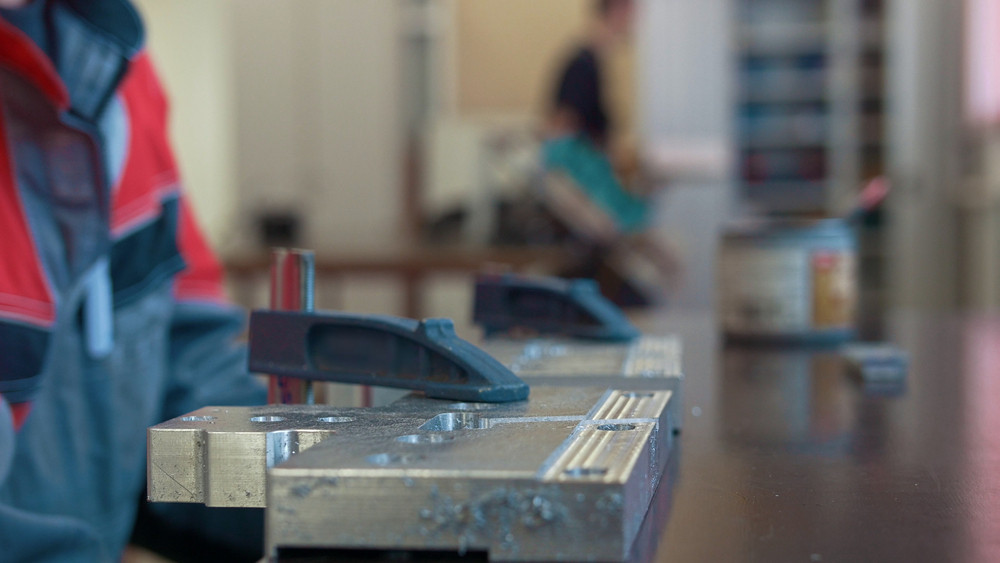
Modern manufacturing relies heavily on advanced technological developments to meet the demands of a growing society. Fabrication processes have shifted from manual labor to automated systems that ensure accuracy and efficiency. Among the most significant advancements in this field are CNC machines, which have fundamentally altered how workshops and industrial facilities operate. These systems allow operators to execute complex designs with minimal manual intervention, streamlining workflows and enhancing overall productivity. As industries continue to evolve, understanding the core principles behind these automated systems becomes essential for anyone involved in production, design, or engineering. Implementing automated fabrication methods allows businesses to scale their operations, minimize waste, and maintain a competitive edge in a fast-paced marketplace. The transition to automation represents a major milestone in industrial history, paving the way for intricate designs that were once considered impossible to create by hand. By exploring the fundamental aspects of this technology, companies can better appreciate the value it brings to the modern industrial landscape.
The primary function of automated fabrication systems involves the subtraction of material from a solid block to achieve a desired shape. Unlike additive manufacturing, which builds objects layer by layer, subtractive methods remove excess material using specialized cutting tools. This process begins with a raw piece of metal, plastic, wood, or composite material secured within the workspace. The system then utilizes precise movements to carve, drill, mill, or turn the material until it matches the exact specifications of the design template. This capability makes the technology incredibly useful for creating custom components, prototypes, and large batches of identical items. The versatility of the cutting tools allows for a wide range of textures and finishes, ensuring that the final output meets strict industrial standards. By automating the removal of material, facilities can achieve complex geometries that would require an extraordinary amount of time and effort if attempted through traditional manual methods.
At the heart of these automated systems is software that translates digital designs into physical movements. Before any cutting begins, a designer creates a detailed blueprint using specialized computer applications. This digital blueprint is then converted into a specific language that CNC machines can interpret and execute. The code provides explicit instructions regarding the speed, depth, and direction of the cutting tools, managing every movement along the designated axes. Because the equipment follows these instructions exactly, the potential for variance between the digital model and the physical product is virtually eliminated. This reliance on software means that updates to a design can be made quickly and easily within the program, without the need to rebuild physical templates or adjust manual machinery components. The integration of software and hardware ensures a smooth transition from the initial concept phase to the final physical manifestation, showcasing the power of digital programming in modern industrial workflows.
A major advantage of utilizing CNC machines in a commercial setting is the ability to replicate a design perfectly across multiple production cycles. When human operators manually control equipment, subtle variations are inevitable due to fatigue, sight limitations, or physical inconsistencies. Automated systems, however, do not experience fatigue and can run continuously while maintaining the exact same level of precision from the initial item to the final item in a batch. This high level of repeatability is crucial for sectors that require exact components, such as aerospace applications, medical device manufacturing, and automotive engineering. Ensuring that every individual piece matches the exact dimensions authorized in the design phase minimizes part failure and enhances safety. This consistency also simplifies quality control processes, as supervisors can depend on that the machinery will perform identically during every hour of operation, vastly reducing the time spent inspecting individual components for flaws.
Flexibility is another defining characteristic of modern industrial automation. While some specialized machinery can only perform a single task, CNC machines can be reprogrammed to create entirely different products in a matter of moments. An operator can switch from producing intricate metal brackets to crafting detailed plastic housings simply by loading a new software file and swapping out the cutting tools. This adaptability makes the technology highly beneficial for small workshops that handle custom orders, as well as massive factories that need to pivot their production lines rapidly to meet shifting market demands. The ability to work with a vast array of materials, from soft woods to hard titanium alloys, further enhances this versatility. By investing in multi-functional automated equipment, facilities can maximize their floor space and reduce the need for multiple dedicated machines, creating a more streamlined and efficient production environment that can respond dynamically to new projects.
Safety and accuracy of CNC machines are significantly enhanced when automated programming handles the heavy lifting of physical fabrication. Manual machining presents various risks to operators, who must work in close proximity to sharp, rapidly spinning blades and heavy moving components. By contrast, these automated machines operate within enclosed protective barriers, keeping human workers safe from flying debris and moving parts. Furthermore, because the computer code dictates every movement, the risk of costly human mistakes during the cutting phase is substantially minimized. This reduction in errors directly translates to less material waste and lower operational overhead. The growing reliance on this precise technology highlights its importance on a macro level. According to Fortune Business Insights, the global market for machine tools carried a valuation of $90.88 billion in 2025, which demonstrates how deeply industries across the globe rely on automated precision tools to sustain their operations, minimize human error, and drive modern manufacturing forward.
The widespread adoption of automated hardware has played a pivotal role in the expansion of international supply chains. As global consumer demand increases, businesses require production methods that can keep pace without sacrificing quality. The continuous operation capabilities of CNC machines allow factories to meet tight deadlines and handle massive order volumes efficiently. This steady output supports various interconnected industries, ensuring that components arrive on time to assembly plants around the world. Without the speed and precision offered by automated fabrication, the rapid development of modern electronics, transportation systems, and infrastructure would face severe bottlenecks. The technology serves as a foundation for industrial growth, enabling companies to explore innovative designs and bring advanced products to the marketplace faster than ever before. By fostering a more reliable and productive manufacturing landscape, these systems remain a driving force behind global industrial progress and economic development.
Embracing automation is a vital step for any production facility aiming to thrive in the modern industrial landscape. The precision, repeatability, and versatility offered by advanced fabrication systems provide businesses with the tools necessary to overcome complex manufacturing challenges and deliver superior products to their clients. Investing in high-quality CNC machines ensures that your operations remain competitive, efficient, and capable of handling diverse project specifications with ease. As the industry continues to advance, partnering with knowledgeable experts who understand the nuances of automated equipment can make a significant difference in your operational success. If you are ready to elevate your manufacturing capabilities and integrate reliable automation into your workshop, contact us at Arizona CNC Equipment today. We will help you select the ideal machinery, provide comprhensive support, and ensure your business has the resources needed to achieve long-term growth and productivity.
Join our mailing list to get up-to-date with all the news about upcoming products, events & exclusive discounts.
Yes, add me to the list Have a question? Ask us