
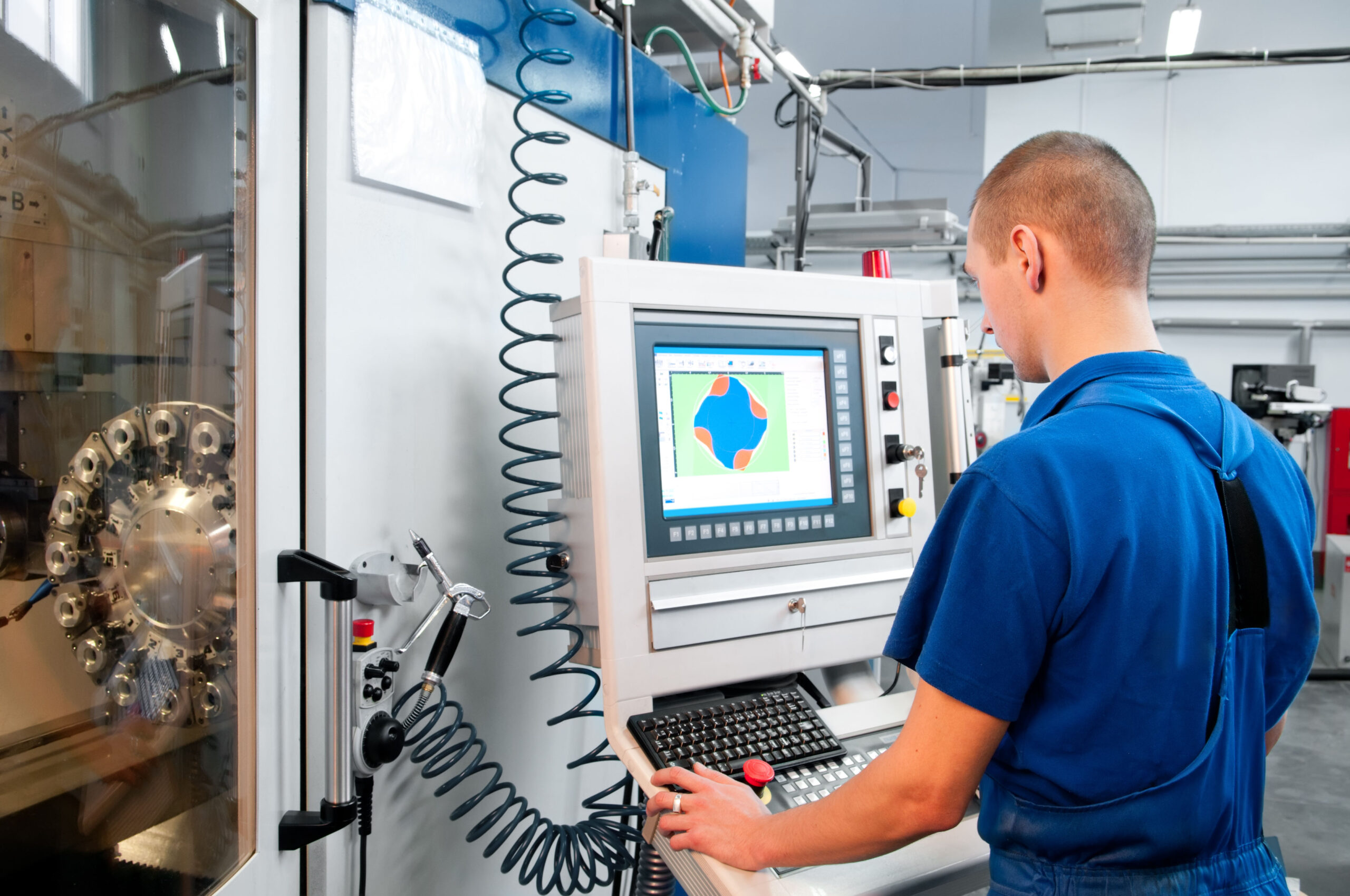
Advanced manufacturing depends on the ability to produce complex components with accuracy, consistency, and efficiency. As industries continue to demand tighter tolerances and more sophisticated designs, manufacturers need equipment capable of keeping pace with changing production requirements. CNC machine center technology has become an important part of this evolution by combining computerized control with highly capable machining processes. These systems allow manufacturers to complete demanding operations while maintaining repeatability across production runs.
Modern machining centers are used across industries ranging from aerospace and automotive manufacturing to medical equipment, electronics, and industrial production. Their ability to automate multiple operations helps manufacturers manage complex components while maintaining dependable quality. As technology continues to advance, these machines are also becoming more versatile, allowing facilities to respond to new designs, materials, and production volumes without sacrificing precision.
According to Mordor Intelligence, vertical machining centers accounted for 47.68% of the machining center market in 2025, while universal and five-axis equipment is expected to expand at a 6.12% compound annual growth rate through 2031. These figures demonstrate the continued importance of advanced machining technologies as manufacturers pursue greater flexibility and productivity. Understanding the capabilities of a CNC machine center can help businesses recognize how this technology supports today’s increasingly sophisticated manufacturing environments.
Advanced components often have specifications that leave very little room for variation. Computer-controlled machining enables equipment to follow programmed dimensions closely, supporting the tight tolerances required for demanding applications. This precision is especially valuable when individual components must fit or interact with other parts in a larger assembly.
Consistency matters just as much as accuracy when manufacturers produce multiple identical components. A CNC machine center can repeat programmed operations across a production run, helping limit variations between finished pieces. Reliable repeatability supports quality standards while making production outcomes more predictable.
Automation reduces the amount of manual intervention required during machining operations. While skilled professionals remain essential for programming, setup, monitoring, and quality control, computerized movements help reduce inconsistencies that can occur when complex machining tasks depend heavily on manual positioning.
As product designs become increasingly intricate, machining equipment must be capable of producing detailed features accurately. Advanced control systems allow manufacturers to work with complex geometries and precise dimensions, expanding the types of components that can be produced effectively.
Modern machining centers can perform several operations within a coordinated production process. Depending on the equipment and application, functions such as milling, drilling, tapping, and boring can be completed without repeatedly transferring a workpiece between separate machines.
Efficient workflows depend on minimizing unnecessary interruptions. Automated tool changes and programmed machining sequences can help a CNC machine center move efficiently between operations. Reducing manual transitions can support faster production while allowing skilled employees to concentrate on oversight and other important responsibilities.
Computer-controlled processes provide greater consistency in how long repeated machining operations take. More predictable cycle times can help manufacturers coordinate production schedules, estimate capacity, and organize downstream operations more effectively.
Manufacturers continually look for ways to produce more without compromising quality. Equipment capable of completing complex work efficiently can increase the productive value of available floor space and labor. This makes machining technology an important consideration when facilities evaluate opportunities for greater operational efficiency.
Advanced manufacturing frequently involves parts with contours, angles, pockets, and other complicated features. Multi-axis capabilities allow equipment to approach a workpiece from different directions, making sophisticated geometries more practical to produce. A capable CNC machine center can therefore support projects that would otherwise require additional setups or equipment.
Manufacturing demand is not always consistent. Some facilities produce large quantities of standardized parts, while others handle smaller batches or frequently changing orders. Programmable equipment offers flexibility that can accommodate different production requirements and help manufacturers adapt as customer needs change.
Modern manufacturers work with materials that vary considerably in hardness, machinability, and performance requirements. Appropriate machining equipment can support applications involving aluminum, steel, specialty alloys, and other materials commonly used for industrial components.
Design revisions are a normal part of manufacturing. Digital programming allows machining processes to be adjusted when specifications change, helping facilities respond to updated products without rebuilding an entirely manual process. This adaptability becomes increasingly valuable in markets where product development moves quickly.
Dimensional consistency is essential when components must meet established specifications. Computerized machining helps maintain controlled movements throughout production, allowing manufacturers to achieve more uniform results from one component to the next.
Errors can create scrap, rework, schedule disruptions, and unnecessary material costs. Once a CNC machine center is properly programmed and configured for an application, its automated operation can reduce opportunities for certain types of process variation. Consistency helps manufacturers protect both productivity and material investments.
Industries with strict quality standards often require detailed inspection and documentation. Consistent machining provides a stronger foundation for these quality assurance processes by helping finished components remain within required specifications throughout production.
Quality extends beyond basic dimensions. Surface finish, feature placement, and overall consistency can influence whether a component performs as intended. Precision machining technology helps manufacturers maintain these characteristics while meeting the expectations associated with advanced applications.
Computer numerical control allows machining equipment to operate according to detailed digital instructions. This connection between software and physical production gives manufacturers greater control over complicated operations and supports the broader transition toward digitally connected manufacturing environments.
Modern machining centers may accommodate multiple cutting tools and change between them as different operations are required. Automated tool-changing capabilities help a CNC machine center perform more complex sequences with fewer manual interruptions, improving workflow continuity and production efficiency.
Advanced equipment can provide operators with valuable information about machine status and production activity. Greater visibility allows manufacturing teams to monitor processes more effectively and respond when conditions require attention. This contributes to more organized and informed equipment management.
Manufacturing automation continues to evolve as software, robotics, monitoring systems, and machining technologies become increasingly interconnected. Investing in equipment designed for advanced production can help facilities establish a foundation for future capabilities and changing industry requirements.
Manufacturers that can produce more complex components may be positioned to pursue a broader variety of projects. Advanced machining equipment expands what a facility can manufacture while helping teams maintain the precision expected in demanding industries.
Customers increasingly expect accurate products, competitive turnaround times, and flexibility. A CNC machine center helps manufacturers respond to these expectations by supporting efficient production across changing designs and order requirements. This versatility can become increasingly important as markets evolve.
Efficient manufacturing is about making productive use of equipment, labor, materials, and facility space. Automated machining can streamline operations and reduce unnecessary handling, helping businesses make more effective use of available resources while maintaining quality standards.
Growth often requires manufacturers to increase output or take on more sophisticated work. Equipment that combines automation, precision, and flexibility can support that transition. Scalable machining capabilities give businesses additional options as production requirements expand and new opportunities emerge.
Advanced manufacturing requires technology that can balance precision, productivity, flexibility, and consistent quality. Modern machining centers support each of these priorities by bringing sophisticated computer control and versatile machining capabilities together in a coordinated system. From maintaining demanding tolerances to handling complex geometries, the technology allows manufacturers to approach challenging projects with greater production consistency.
The value of a CNC machine center also extends beyond individual machining operations. Automation can support more efficient workflows, predictable production, stronger quality control, and greater adaptability as products and market expectations change. For manufacturers planning future growth, selecting equipment that aligns with current applications as well as long-term production goals can provide an important foundation for continued advancement.
If your operation is ready to explore advanced machining equipment and strengthen its production capabilities, contact Arizona CNC Equipment today to discuss CNC machine center solutions suited to your manufacturing needs and long-term goals.
Join our mailing list to get up-to-date with all the news about upcoming products, events & exclusive discounts.
Yes, add me to the list Have a question? Ask us