
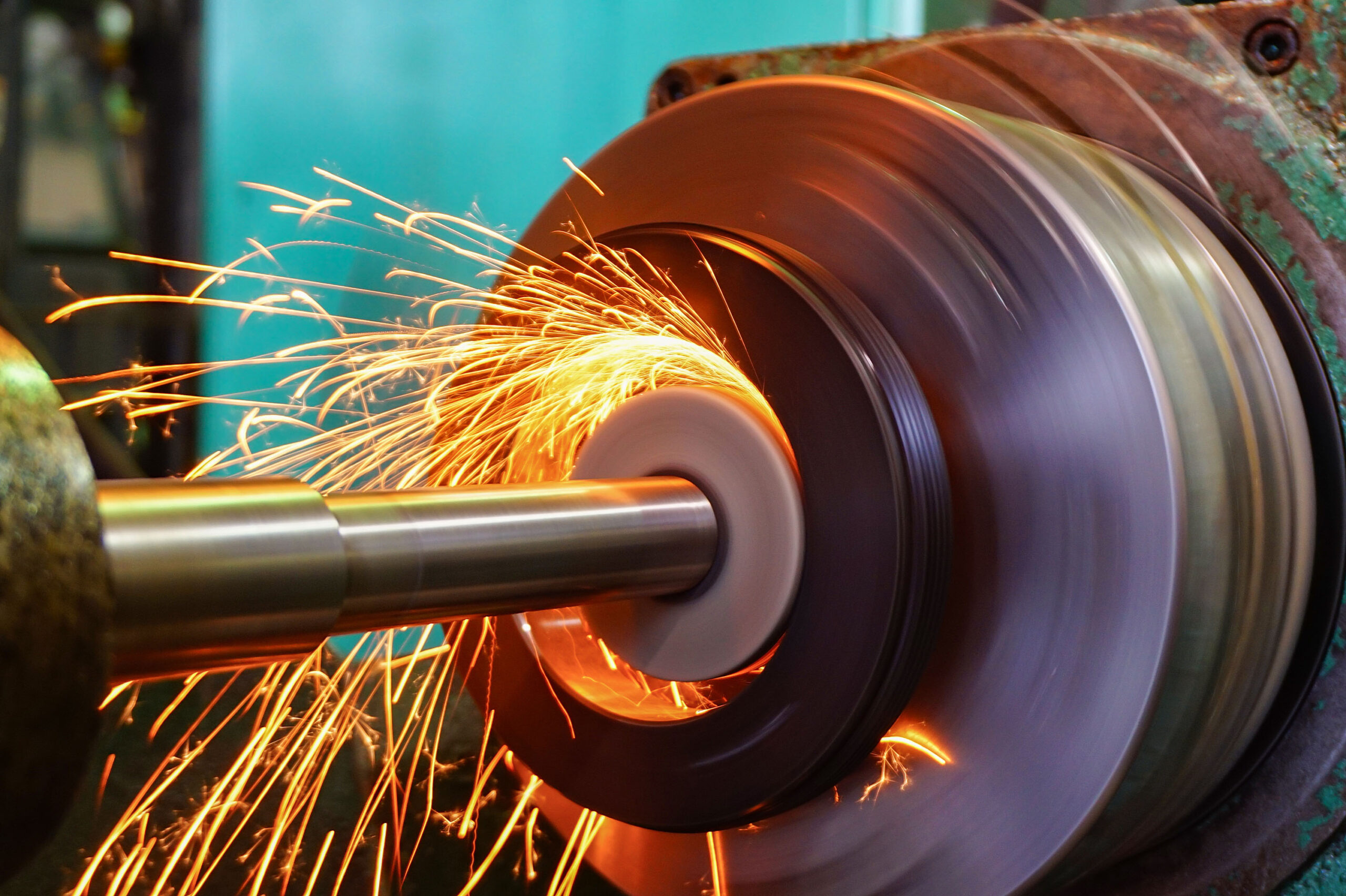
In the ever-evolving automotive industry, the demand for precision has never been higher. Suppliers are under pressure to deliver components that meet stringent specifications with minimal room for error. This demand is driven by a need for quality, efficiency, and innovation. The automotive sector, comprising approximately 28.4% of the total market demand according to DataIntelo, is especially a key player in this pursuit of precision. As technology advances, relying on a high-performance CNC machine allows suppliers and manufacturers to adapt, maintain their competitive edge, and fulfill the high expectations of original equipment manufacturers (OEMs).
The journey of automotive manufacturing has been one of transformation and evolution. In the early 20th century, the industry saw its humble beginnings with the assembly line method pioneered by Henry Ford. This approach revolutionized production, allowing for faster manufacturing processes and mass production of vehicles. With mass production, the automotive industry could meet rising consumer demand, setting the stage for global expansion. As the industry matured, further innovations became necessary to remain competitive in a rapidly changing world.
Throughout the decades, the automotive sector has always been at the forefront of technological advancement. Post-World War II developments brought about new materials and processes, such as the introduction of plastic components and the use of automation technology. These advancements led to increased efficiency and potential for diversification within the industry. Such leaps in innovation highlighted the importance of precision, as each development required tight tolerances to ensure reliability and safety. The automotive sector’s significant share of the global market demand underscores its need to continually strive for excellence.
The late 20th and early 21st centuries further accelerated change within the industry. The globalization of supply chains allowed for more competitive markets and the merging of traditional automotive practices with cutting-edge technologies. The digital revolution introduced computer-aided design (CAD) and manufacturing (CAM), enhancing precision and streamlining production. As the industry moved towards increased automation and robotics, the focus on precision has intensified, particularly as modern vehicles require intricate and complex components that demand exact specifications. This shift has ensured that precision remains a cornerstone of the automotive industry’s future.
Technological advances have been the driving force in transforming the automotive industry. Automation and robotics have played pivotal roles, making manufacturing more efficient and reducing the human error factor. Robots have become integral to operations, being capable of tasks ranging from welding to assembling intricate components. Automation technology allows manufacturers to meet precision demands while maintaining high production rates, thus realizing higher profit margins. This emphasis on technology is driven by the industry’s aim to ensure consistency and reliability in all vehicles produced.
Precision has become an indispensable element in modern automotive manufacturing. As vehicle complexity increases, so does the requirement for precise components to ensure functionality, safety, and efficiency. Each component, from engine parts to electronic systems, relies on exact specifications to perform optimally, highlighting the critical role of precision. Without precision, components could fail, leading to costly recalls, brand damage, and safety issues. Therefore, precision is not merely a quality metric but a fundamental driver of manufacturing success, demanding continuous improvement across all production levels.
Precision plays a pivotal role in meeting regulatory and safety standards. Automotive components must comply with numerous international and local safety regulations that mandate specific design and functional characteristics. Achieving these standards requires adherence to specified tolerances that only precise manufacturing processes can provide. As the sector represents 28.4% of total market demand, according to DataIntelo, adherence to standards through precision ensures market competitiveness and consumer trust. This commitment to safety and quality through precision is essential for maintaining stability and growth within the industry.
Machine precision in the automotive context pertains to the ability to produce components that adhere to tight specifications consistently. This degree of precision is critical in ensuring the seamless integration of parts and maintaining the quality of the final product. In automotive manufacturing, operating a modern CNC machine minimizes variability and defects, producing parts with exact tolerances at high speeds. Over time, this contributes to the reliability and safety of vehicles. As the automotive industry evolves, precision becomes increasingly critical in developing sustainable and efficient transportation solutions.
Moreover, machine precision relates directly to both economic and operational efficiency. Machines operating with high precision can produce components with significantly reduced scrap and rework rates. This efficiency translates to lower production costs and higher profitability for manufacturers. As the automotive sector strives for sustainability, reducing waste through precise machining operations is a vital strategy. By minimizing resource usage and maximizing output quality, manufacturers can achieve sustainability goals while maintaining economic viability.
High precision in the manufacturing of automotive components offers numerical benefits for suppliers. One primary benefit is the enhancement of component quality and consistency, which in turn builds trust among automotive manufacturers and end consumers. Utilizing a state-of-the-art CNC machine allows suppliers to produce parts that meet exact specifications, reducing the risk of component failure, which can lead to costly recalls and damage to brand reputation. This consistency is crucial in maintaining supplier relationships with automakers and reinforcing their reliability in producing high-quality components.
Economically, precision manufacturing allows suppliers to optimize their production processes and reduce operational costs. By minimizing material waste and rework, suppliers can achieve higher profit margins and allocate resources more efficiently. The reduction of defects and variability in parts production also leads to less downtime and increased production speed, further enhancing workflow efficiency. Consequently, suppliers who invest in high-precision operations are better positioned to manage costs and respond swiftly to industry demands and changes.
The economic impact of improved precision in automotive manufacturing is profound, offering tangible benefits to manufacturers and suppliers alike. Precision manufacturing reduces material waste, thereby lowering production costs and improving overall resource efficiency. This efficiency leads to higher profit margins and offers manufacturers the flexibility to reinvest in technology and workforce training. With reduced operational costs, manufacturers can allocate resources effectively towards research and development, essential in fostering innovation and meeting evolving consumer demands.
Furthermore, enhanced precision contributes to increased productivity and competitiveness in the marketplace. By minimizing defects and maximizing process reliability, production rates improve, allowing manufacturers to meet market demands effectively. A workshop powered by a high-precision CNC machine can attract larger client bases seeking reliable and high-quality components. This capability fuels business growth and expansion opportunities within the global market, an essential factor given the automaker sector’s significant demand share, which stands at 28.4% according to DataIntelo.
The reduction of product recalls and associated quality failures also exemplifies the economic advantages of precision manufacturing. Recalls and warranty claims incur substantial costs and damage brand reputations. With precision, the incidences of such issues diminish, ensuring customer satisfaction and long-term brand loyalty. Through precision, manufacturers not only secure immediate economic benefits but also foster sustainable growth and business resilience in a competitive and innovation-driven industry.
The automotive industry’s push toward unprecedented precision is transforming every stage of the supply chain. From meeting strict OEM guidelines to navigating complex legal and safety standards, suppliers must rely on advanced equipment like a top-tier CNC machine to remain viable and profitable. As electric vehicles and automated technologies continue to re-shape the market, the marriage of high-precision machining, digital software, and AI will only become more vital. Investing today ensures that automotive suppliers not only keep pace with current demands but also lead the drive toward a safer, more efficient manufacturing future. Call Arizona CNC Equipment, LLC today to learn more.
Join our mailing list to get up-to-date with all the news about upcoming products, events & exclusive discounts.
Yes, add me to the list Have a question? Ask us