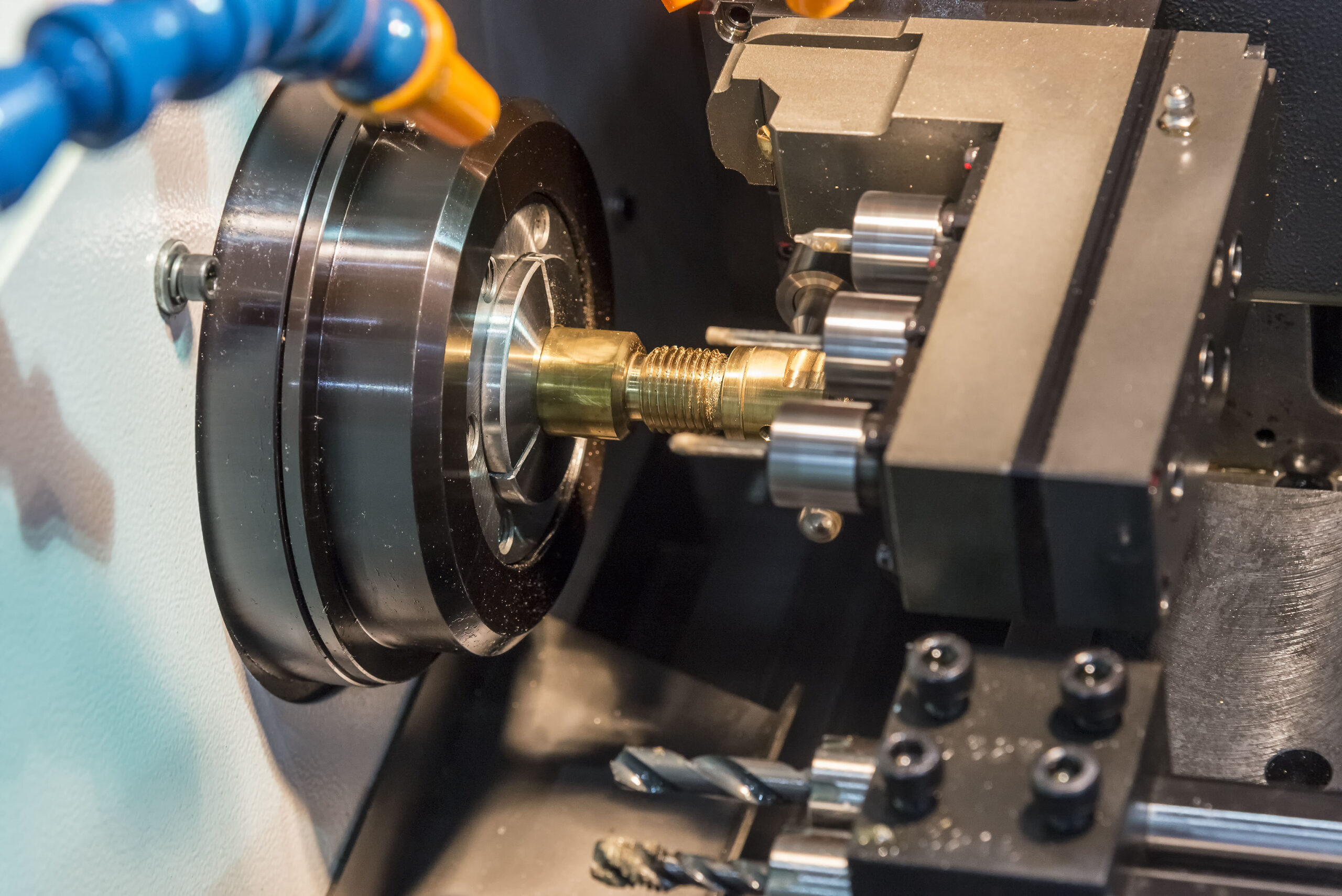
Modern manufacturing depends on precision, consistency, and efficiency to produce high-quality components for countless industries. As product designs become increasingly sophisticated, manufacturers need equipment capable of creating intricate shapes without sacrificing speed or accuracy. Computer numerical control technology has transformed machining by allowing operators to produce highly detailed parts with remarkable repeatability. From aerospace components to medical devices, today’s machining equipment is built to meet demanding production requirements. Understanding how advanced turning machines achieve these results helps businesses appreciate the value of investing in modern equipment. Precision engineering not only improves product quality but also reduces waste and production delays. Exploring the capabilities of these machines demonstrates why they remain an essential part of advanced manufacturing.
Utilize Advanced Programming for Precise Machining
Complex parts begin with carefully developed machining programs that guide every movement of the equipment. Computer-aided design and computer-aided manufacturing software allow engineers to create highly detailed digital models before production starts. These programs convert design specifications into precise machining instructions that eliminate much of the guesswork associated with manual operations. Operators can adjust cutting speeds, tool paths, and spindle movements to match the exact requirements of each project. Modern lathes execute these programmed instructions with exceptional accuracy, producing consistent results from the first part to the last. Automated programming also simplifies the production of intricate curves, tapers, threads, and multiple diameters within a single machining cycle. Accurate programming minimizes material waste while improving overall production efficiency. This combination of digital planning and automated execution supports outstanding manufacturing precision.
Maintain Exceptional Accuracy Throughout Production
Precision remains one of the most important advantages of CNC machining. Every component must meet exact dimensional tolerances to function properly within larger assemblies. Even slight variations can affect performance, safety, or compatibility with other parts. According to Fortune Business Insights, the global machine tools market is expected to reach a value of approximately USD 90.88 billion in 2025, reflecting the growing demand for advanced manufacturing technology across numerous industries. As manufacturers continue investing in modern machining equipment, maintaining consistent accuracy becomes increasingly important. High-quality lathes use advanced control systems and rigid construction to minimize vibration during machining operations. Stable cutting conditions allow intricate geometries to be produced with remarkable precision. Consistent accuracy reduces costly rework while improving overall product quality.
Support Multi-Axis Machining Operations
Many complex components require machining from several angles before they are complete. Multi-axis technology allows manufacturers to produce these intricate features without repeatedly repositioning the workpiece. By reducing the number of setups required, production becomes both faster and more accurate. Additional machine axes provide greater flexibility when creating detailed contours, angled surfaces, and compound geometries. Advanced lathes equipped with live tooling can also perform milling, drilling, and tapping operations during the same machining cycle. Combining multiple operations into one setup minimizes handling while improving dimensional consistency. Fewer setups also reduce opportunities for alignment errors that could affect finished parts. Multi-axis machining allows manufacturers to produce increasingly sophisticated components with greater efficiency.
Perform Multiple Operations in One Setup
Reducing the number of production steps helps manufacturers improve productivity while maintaining exceptional quality. Instead of transferring a part between several machines, modern machining centers complete multiple operations within a single setup. Turning, drilling, threading, grooving, boring, and finishing can all be performed before the part is removed from the machine. This streamlined workflow saves valuable production time while improving consistency across every manufactured component. Modern lathes eliminate unnecessary repositioning that could introduce dimensional inaccuracies. Completing more work during one machining cycle also reduces labor requirements and machine downtime. Efficient production processes allow manufacturers to meet demanding delivery schedules more effectively. Consolidating operations contributes to both higher productivity and lower manufacturing costs.
Adapt Quickly to Custom Part Designs
Manufacturers frequently receive projects involving unique specifications, limited production runs, or specialized customer requirements. CNC technology allows machining programs to be modified quickly without requiring extensive equipment changes. Operators can update digital instructions rather than manually adjusting every machining operation. This flexibility makes custom manufacturing significantly more efficient than traditional machining methods. Advanced lathes can transition from one production job to another with minimal downtime, allowing manufacturers to respond quickly to changing customer demands. Rapid program adjustments also support prototype development and product testing before full-scale production begins. The ability to accommodate design revisions improves collaboration between engineers and production teams. Flexible machining capabilities help manufacturers remain competitive in evolving markets.
Improve Surface Finish and Part Quality
Complex geometries require more than accurate dimensions because surface quality also influences overall product performance. Smooth finishes reduce friction, improve appearance, and often eliminate the need for extensive secondary processing. Precision tool paths combined with stable cutting conditions help create consistent surface finishes throughout each machining operation. Proper tooling selection further enhances the quality of finished components while extending tool life. High-performance lathes maintain precise cutting movements that minimize chatter and unwanted surface imperfections. Superior finishes benefit industries where performance, reliability, and appearance are equally important. Producing high-quality surfaces during the initial machining process saves time while reducing finishing costs. Better surface quality contributes directly to stronger and more reliable finished products.
Increase Production Efficiency and Consistency
Manufacturing success depends on producing identical parts efficiently across both small and large production runs. Automated machining systems eliminate many of the inconsistencies associated with manual operations while maintaining continuous production schedules. Once machining programs are verified, every part follows the same precise sequence of operations. This repeatability reduces quality variations while supporting strict manufacturing standards. Modern lathes also allow operators to monitor production performance and make adjustments before small issues become larger problems. Automation minimizes unnecessary downtime while improving overall equipment utilization. Higher production efficiency enables manufacturers to satisfy customer demand without compromising quality. Consistent machining processes create dependable results throughout every production cycle.
Reduce Material Waste Through Smarter Machining
Material efficiency is an important factor in controlling manufacturing costs and maximizing productivity. Advanced CNC systems optimize cutting paths to remove only the necessary amount of material while preserving as much of the workpiece as possible. This level of precision reduces scrap and helps manufacturers make better use of expensive raw materials such as aluminum, titanium, and stainless steel. Automated machining also minimizes human error that could otherwise result in damaged parts or wasted inventory. Modern lathes continuously follow programmed instructions with exceptional consistency, allowing each component to be produced according to exact specifications. Improved material utilization not only lowers production expenses but also supports more sustainable manufacturing practices by reducing excess waste. Manufacturers that prioritize efficient machining can increase profitability while maintaining high-quality standards. Smarter material management ultimately strengthens both operational efficiency and long-term business performance.
Deliver Reliable Results for Modern Manufacturing
Manufacturers continue facing increasing demands for greater precision, shorter production timelines, and more complex product designs. Advanced machining technology provides the flexibility needed to meet these evolving challenges while maintaining outstanding quality standards. Accurate programming, multi-axis capabilities, streamlined production, and automated consistency all contribute to superior machining performance. Investing in modern equipment helps businesses improve productivity while reducing unnecessary waste and production costs. Reliable
lathes allow manufacturers to produce intricate components that meet exact customer specifications across a wide variety of industries. As manufacturing technology continues advancing, precision machining will remain essential for producing innovative products with exceptional quality. Companies that embrace advanced machining solutions position themselves for greater efficiency and long-term success. Precision equipment continues to shape the future of modern manufacturing.
Looking to enhance your machining capabilities with dependable CNC equipment? Arizona CNC Equipment offers high-quality machinery and expert guidance to help manufacturers improve precision, efficiency, and productivity. Contact us today to learn more about the right machining solutions for your production needs.